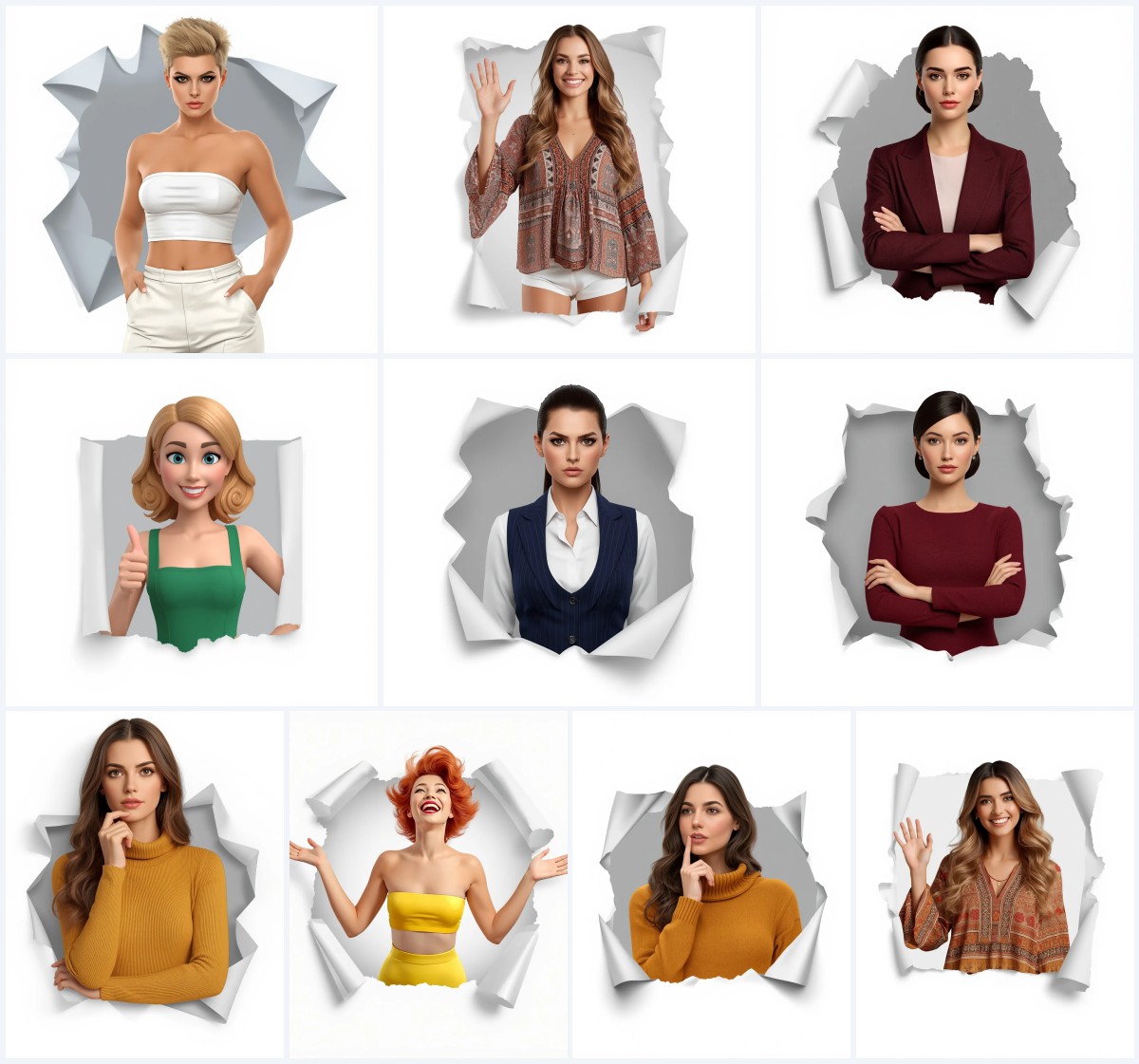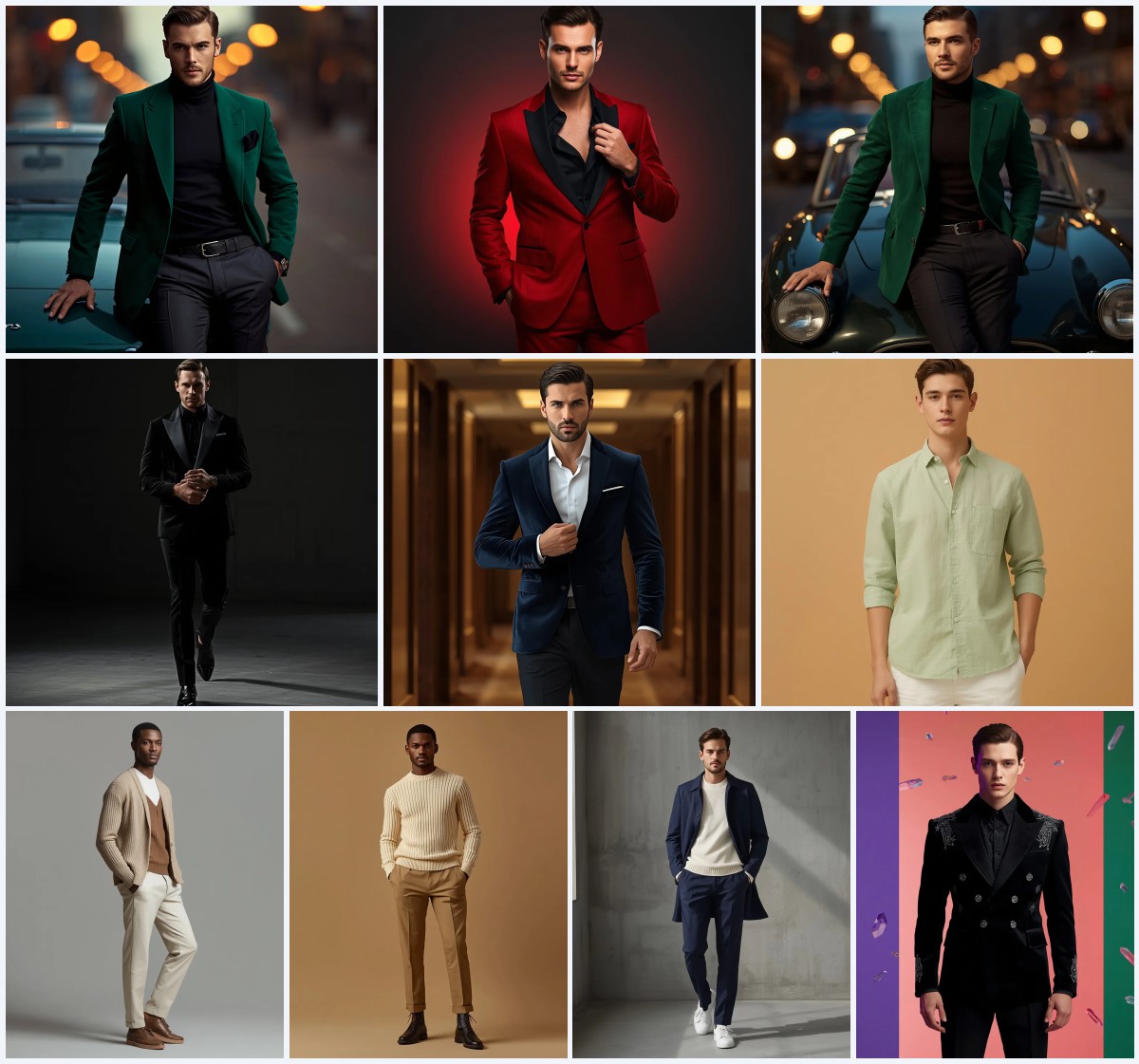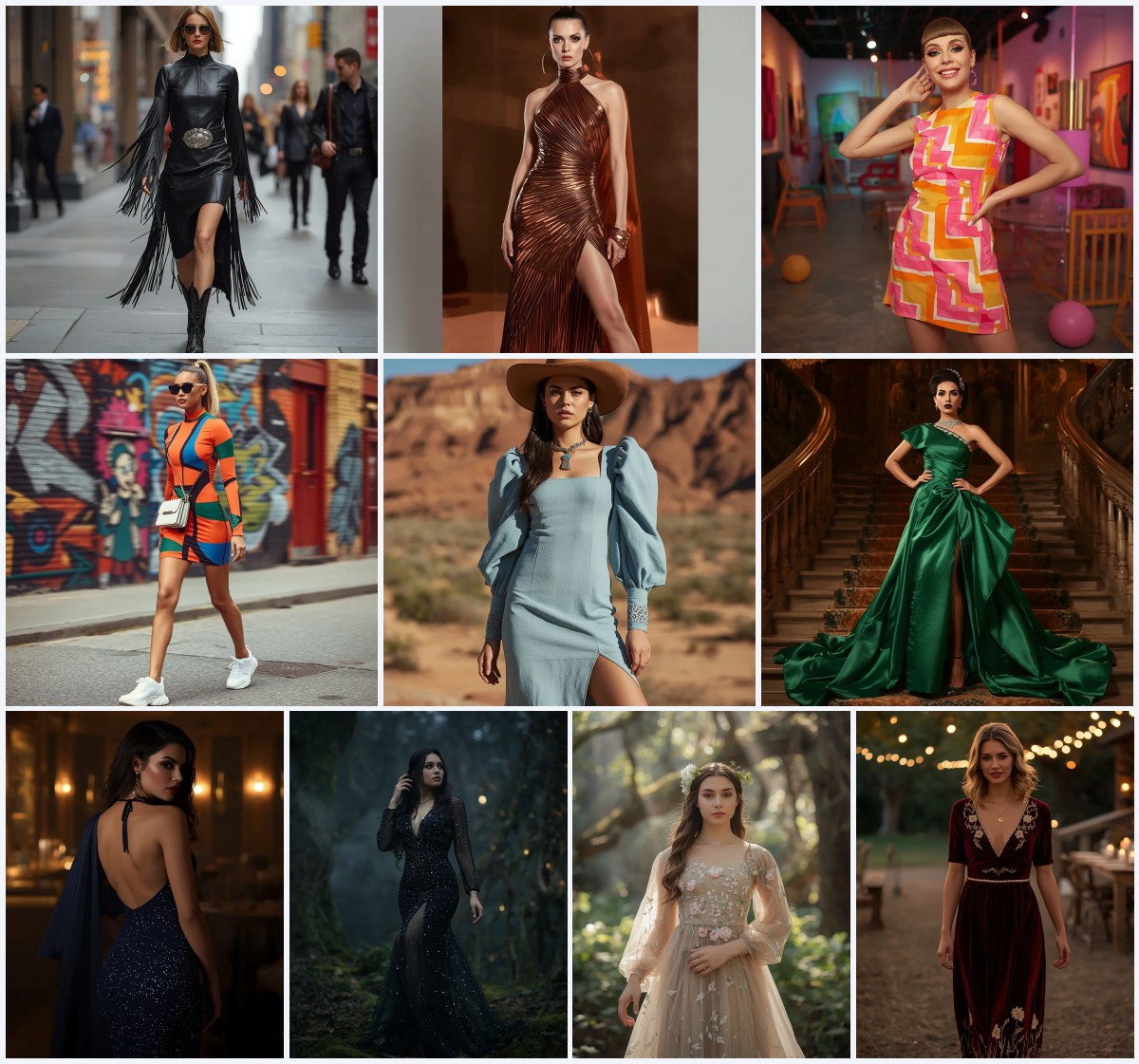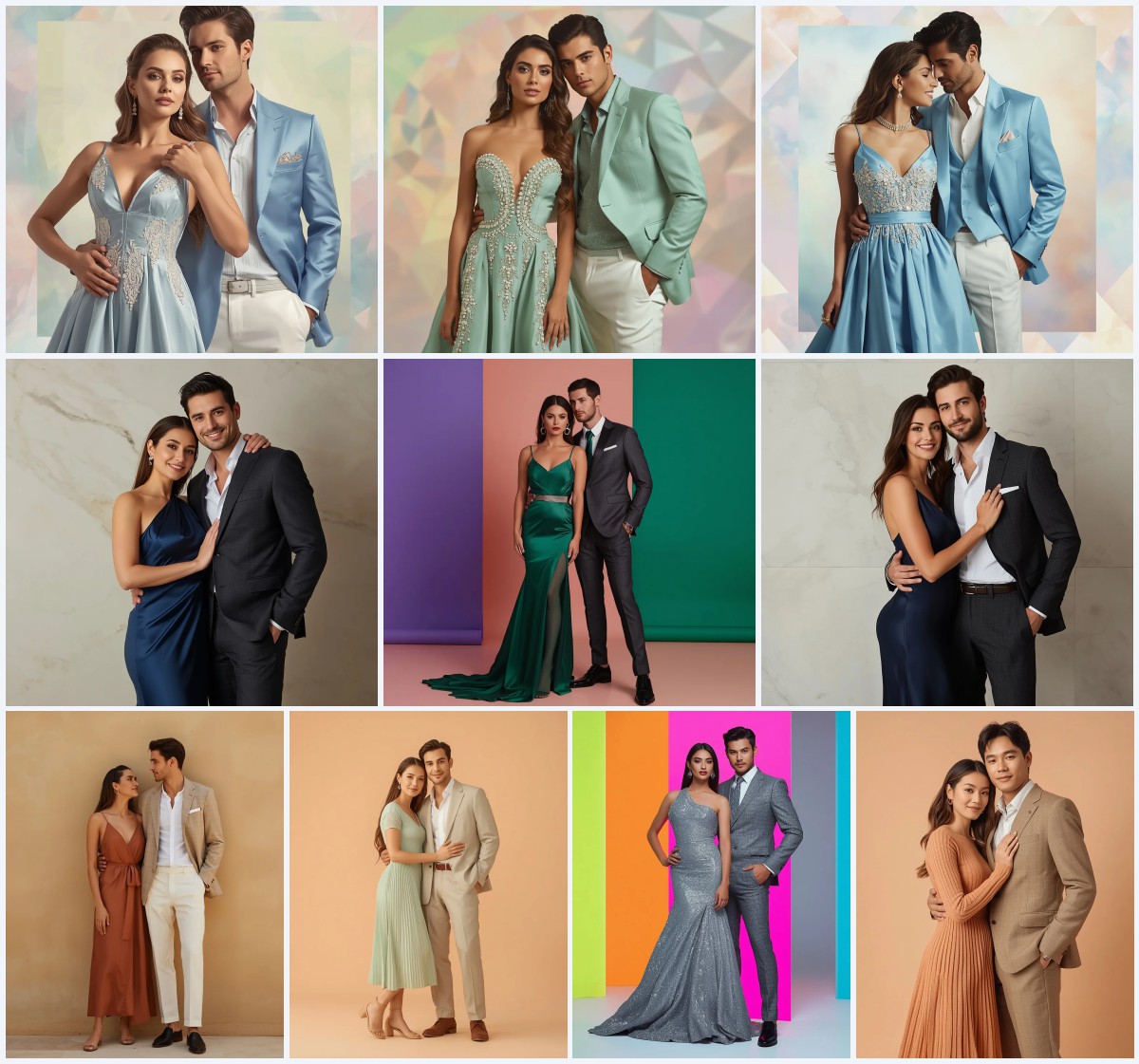


Top 10 Ultra Realistic Photo AI Prompts for DSLR Quality Cinematic Portraits of Athletes
Athletic photography has always been about capturing the raw emotion, the split-second tension, and the sheer physical poetry of the human body in motion. With the rise of ultra-realistic AI image generation, creators can now craft DSLR-quality cinematic portraits of athletes without a studio, a camera, or even a real athlete. The "Top 10 Ultra Realistic Photo AI Prompts for DSLR Quality Cinematic Portraits of Athletes" collection opens the door to a world where every bead of sweat, every muscle fiber, and every dramatic lighting setup can be conjured from text alone.
This curated set of ten prompts is not just a list—it’s a toolkit for visual storytellers. Whether you’re building a mood board for a sports documentary, designing a fictional athlete for a game, or simply exploring the boundaries of photorealism, these prompts deliver consistent, magazine-cover quality. From the gritty texture of a boxer’s hand wraps to the sleek sheen of a cyclist’s helmet, each prompt is engineered to force the AI into rendering fine details that mimic a high-end DSLR sensor. The shared scene across all ten cards is a tightly framed, emotionally charged portrait of an athlete in their element, lit with cinematic precision and rendered with an almost tactile realism.
What these ultra-realistic athlete prompts are asking for
This collection is a masterclass in specificity. Each prompt demands a portrait that feels like a frame pulled from a high-budget sports film, with an obsessive focus on texture, light, and emotional intensity. The AI is instructed to render not just a person doing a sport, but the atmosphere of the moment—the dust in the air, the reflection in the eyes, the tension in a clenched jaw. The shared scene is an intimate, often close-up or mid-shot portrait where the athlete's physicality and the environment merge into a single cinematic statement.
- Sweat droplets on skin with specular highlights
- Cinematic lighting with deep shadows and rim light
- Textured sportswear like mesh jerseys or leather gloves
- Environmental details such as chalk dust or rain mist
- Sharp focus on eyes with natural catchlights
- DSLR-like depth of field with blurred backgrounds
The shared cinematic scene across all ten athlete portraits
Every prompt in this set builds the same core environment: a hyper-focused, emotionally charged moment frozen in time. The athlete is not just performing; they are mid-action, with muscles tensed and expression intense. The background is deliberately de-emphasized through a shallow depth of field, often described with phrases like "cinematic depth of field" and "soft, out-of-focus background," which pushes all attention onto the subject. Lighting is dramatic, with prompts calling for "rim light" and "deep shadows" to sculpt the body and create a three-dimensional, almost tangible presence.
The sensory details are what elevate these scenes from generic to gallery-worthy. You’ll find clauses like "sweat glistening on skin" and "chalk dust suspended in the air" that add a layer of atmospheric realism. The clothing is never just clothing; it’s "a worn leather boxing glove" or "a sweat-soaked mesh jersey," each material chosen to catch light and texture in a way that screams high-resolution photography. The result is a consistent visual language across all ten prompts—moody, powerful, and undeniably cinematic.
Why these prompts deliver exceptional athlete portraits
These prompts are built to exploit the strengths of current AI image models while sidestepping their weaknesses. By demanding ultra-realism, cinematic lighting, and DSLR-quality textures, they guide the generator toward outputs that feel like professional photographs rather than digital paintings. The specificity of the physical details—sweat, muscle definition, fabric texture—forces the AI to engage with high-frequency information, which typically results in more convincing realism.
- They lock in a consistent cinematic mood with precise lighting terms like rim light and deep shadows.
- They anchor the AI with tactile details such as sweat, chalk dust, and textured gear to avoid plastic-looking skin.
- They use the DSLR-quality framing to mimic real camera optics, making the portraits instantly believable as photographs.
Three visual styles that shine within these athlete prompts
While the collection is unified by its ultra-realistic, cinematic core, there are three distinct visual styles you can emphasize by tweaking your interpretation of the prompts. All three fit naturally within the existing prompt language and can be pushed further by adding a few extra keywords. They are not separate genres but rather tonal variations that the prompts already support.
- Gritty documentary: Lean into the sweat, dirt, and worn textures for a raw, photojournalistic feel that highlights the athlete's struggle.
- Heroic editorial: Amplify the dramatic rim lighting and low-angle shots to create a larger-than-life, magazine-cover presence.
- Moody fine art: Deepen the shadows and use negative space to turn the athlete into a sculptural study of form and light.
How to generate these cinematic athlete portraits step by step
Turning these prompts into stunning images requires more than just pasting text. The process involves careful preparation of your reference photo (if using one), precise prompt handling, and a critical eye during generation. Follow these steps to maximize the realism and emotional impact of your athlete portraits.
- Copy the full prompt. Select one prompt from the collection and copy its entire text without any alterations.
- Upload a reference photo if required. For prompts that mention an uploaded photo, use a clear, well-lit portrait where the face is fully visible. Ensure the expression matches the intended mood—neutral or intense works best.
- Paste and generate in your chosen AI tool. Paste the prompt into ChatGPT, Google Gemini, Leonardo AI, or Midjourney. Keep all original wording to preserve the DSLR-quality instructions.
- Check the hands and fingers. AI often struggles with hands. Zoom in on any visible hands and regenerate if fingers are fused, missing, or anatomically wrong.
- Inspect the face and eyes. Ensure the eyes have natural catchlights and that the facial expression matches the athletic intensity described. Look for symmetry and skin texture.
- Examine the main object or gear. Check that sports equipment like boxing gloves, helmets, or jerseys are rendered with correct proportions and realistic material textures.
Choosing the right reference photo for athlete portraits
When a prompt in this collection asks for an uploaded photo, the quality of that reference directly determines the quality of the final image. The AI uses your photo to map identity, skin tone, and facial structure onto the athlete, so a poorly lit or low-resolution selfie will undermine the ultra-realistic goal. Think of your reference photo as the foundation of a building—if it’s shaky, everything above it will be unstable.
- Use a front-facing portrait with even, diffused lighting and no harsh shadows across the face.
- Keep the expression neutral or slightly intense to match the athletic mood; avoid wide smiles or closed eyes.
- Ensure the photo is at least 1024x1024 pixels with sharp focus on the eyes and skin texture.
Best AI tools for these ultra-realistic athlete prompts
Different AI image generators handle ultra-realism and cinematic lighting with varying degrees of success. The table below compares four major tools based on their accessibility, typical realism output, and specific usefulness for details like the sweat droplets on skin or the texture of a mesh jersey found in these prompts.
| Tool | Access | Typical realism | Useful here for |
|---|---|---|---|
| ChatGPT | Free tier available, DALL·E integration | Good artistic realism, sometimes painterly | Rendering the cinematic lighting and deep shadows described in the prompts |
| Google Gemini | Free tier available, Imagen integration | High photorealism, strong text adherence | Capturing fine textures like the sweat-soaked mesh jersey and leather boxing gloves |
| Leonardo AI | Freemium with daily credits | Excellent photorealism with fine-tuning | Producing DSLR-quality depth of field and the chalk dust suspended in the air |
| Midjourney | Paid subscription only | Industry-leading photorealism and mood | Achieving the overall cinematic mood and the rim light that sculpts the athlete's body |
Three tips to get the most from these athlete prompts
Small adjustments in how you approach these prompts can make the difference between a good image and a breathtaking one. These tips focus on real, tangible elements already present in the prompt language, helping you push the realism and emotional weight further without breaking the intended scene.
- Emphasize the sweat on skin by adding a light mist or water spray effect in post-processing to enhance the specular highlights.
- Use a reference photo where the subject is wearing a similar mesh jersey or athletic top to help the AI map fabric folds correctly.
- In your generation settings, prioritize sharp focus on the eyes to ensure the catchlights and iris details match the cinematic standard.
Common issues with ultra-realistic athlete portraits and how to fix them
Even the best prompts can produce flawed results if the AI misinterprets certain details. The table below outlines four frequent failures specific to these cinematic athlete prompts and the exact changes you can make to correct them in your next generation.
| Issue | What to change |
|---|---|
| Skin looks plastic or airbrushed | Add 'visible skin texture, pores, and micro-details' to the prompt to force more surface information. |
| Sweat droplets appear as solid white dots | Include 'translucent sweat beads with refractive light' to guide the AI toward realistic liquid rendering. |
| Sports gear is warped or fused with the body | Specify the exact gear material, like 'leather boxing gloves with stitching,' and reduce the prompt's overall complexity. |
| Lighting is flat with no cinematic depth | Strengthen the lighting clause to 'strong rim light, deep shadows, high contrast, cinematic three-point lighting.' |
Frequently Asked Questions
Can I use these prompts without uploading a reference photo?
Yes, but the results will feature a generic AI-generated athlete. The prompts that mention an uploaded photo are designed to map your identity onto the athlete, so skipping the reference will give you a random face while keeping the cinematic scene intact.
What sports are covered in this prompt collection?
The collection spans multiple athletic disciplines, including boxing, cycling, basketball, and track, each rendered with sport-specific gear like leather boxing gloves, aerodynamic helmets, and mesh jerseys. The shared focus is on the portrait, not the full-body action.
How do I get the DSLR-quality depth of field effect?
The prompts already include terms like 'shallow depth of field' and 'cinematic depth of field.' To strengthen this, ensure your AI tool respects these camera terms and avoid adding any instructions that might flatten the background, such as 'sharp background.'
Conclusion
The "Top 10 Ultra Realistic Photo AI Prompts for DSLR Quality Cinematic Portraits of Athletes" collection is a powerful resource for anyone serious about AI-generated photography. Each prompt is a carefully constructed recipe that blends athletic intensity, cinematic lighting, and hyper-realistic texture into a single, striking image. By understanding the shared scene, mastering the reference photo requirements, and knowing how to troubleshoot common issues, you can consistently produce portraits that rival professional sports photography. Whether you're a digital artist, a content creator, or just experimenting with AI, these prompts offer a reliable path to images that feel alive, powerful, and utterly real.
Remember to only edit and share photos you have the legal right to modify, ensuring your creative work respects the original image's permissions.